
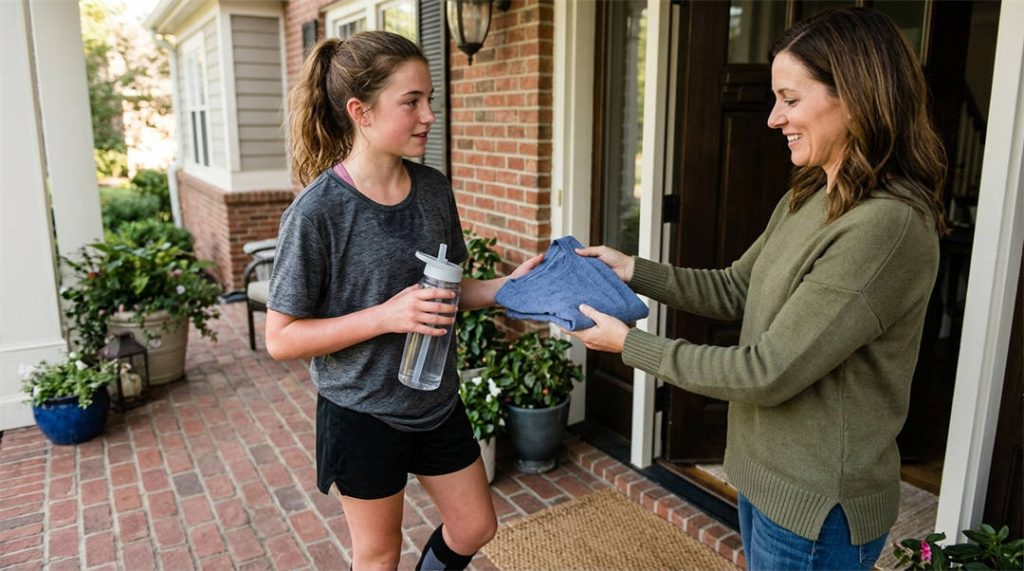
Best natural deodorant for tweens is usually not about “age.” It’s about that moment your kid comes home from school or practice and quietly asks, “Do I smell?” If the “bra talk” was awkward, the “smell talk” can feel even more personal.
Signs she might be ready for deodorant (it’s not just age)
Some kids notice underarm odor around the time puberty starts, and there isn’t a one-size-fits-all birthday for deodorant.
Nemours KidsHealth says body odor often shows up around puberty (commonly 8–13 for girls), and there’s “no set age” to start deodorant or antiperspirant. It also notes younger kids should skip sprays and use stick/roll-on/cream formats instead.
Here are the real-life signs moms usually spot first:
-
Odor shows up on busy days (PE, dance, soccer, summer camp).
-
Shirts start smelling “sour” even after washing.
-
She starts avoiding hugs or raises her arms less (self-conscious vibes).
-
You notice more sweat in the underarm area.
If body odor shows up very early, KidsHealth suggests checking with a doctor if a girl is younger than 7–8 and has noticeable odor.
Deodorant vs. antiperspirant (simple, mom-level breakdown)
This is the part that gets confusing fast, so here’s the clean version.
Deodorant helps with smell. It doesn’t stop sweat.
Antiperspirant helps with sweat by blocking sweat pores.
Mayo Clinic explains that antiperspirants use metal salts like aluminum to block sweat pores, while deodorants help with odor but not sweat.
Cleveland Clinic also breaks it down: aluminum salts reduce sweat flow, while deodorant targets odor (often by reducing odor-causing bacteria).
Aluminum vs. natural: what moms usually worry about
A lot of families start with deodorant first, then decide later if they even need antiperspirant.
The American Academy of Pediatrics’ HealthyChildren.org notes that products labeled “antiperspirant” typically contain aluminum, and deodorants can help mask odor and soak up moisture. If you want to avoid aluminum, it suggests choosing deodorants with ingredients like baking soda or cornstarch.
Natural on the label isn’t tightly regulated, so the ingredient list matters more than the marketing.
What to look for in the best natural deodorant for tweens (especially sensitive skin)
Tween underarms can get irritated fast, especially if she shaves, plays sports, or has eczema-prone skin.
Start by aiming for these “gentle first” traits: low or no added fragrance, no dyes, and a simple ingredient list you can actually read.
Kid-focused formulas often use ingredients like magnesium hydroxide, tapioca starch, coconut oil, and plant oils.
Ingredients that can be tricky for sensitive skin
Even “clean” products can sting.
Baking soda is a big one.
It works for odor for some people, and it irritates others.
If your tween gets redness or burning, try a baking soda-free formula.
The part nobody tells you: deodorant is only half the sweat-and-smell story
This is where the deodorant conversation connects to the bra conversation.
If a bra traps heat and sweat, odor can build faster.
If her base layers breathe and dry quickly, she may need less product to feel fresh.
That’s why moms who already figured out sports bras often have an easier time with deodorant.
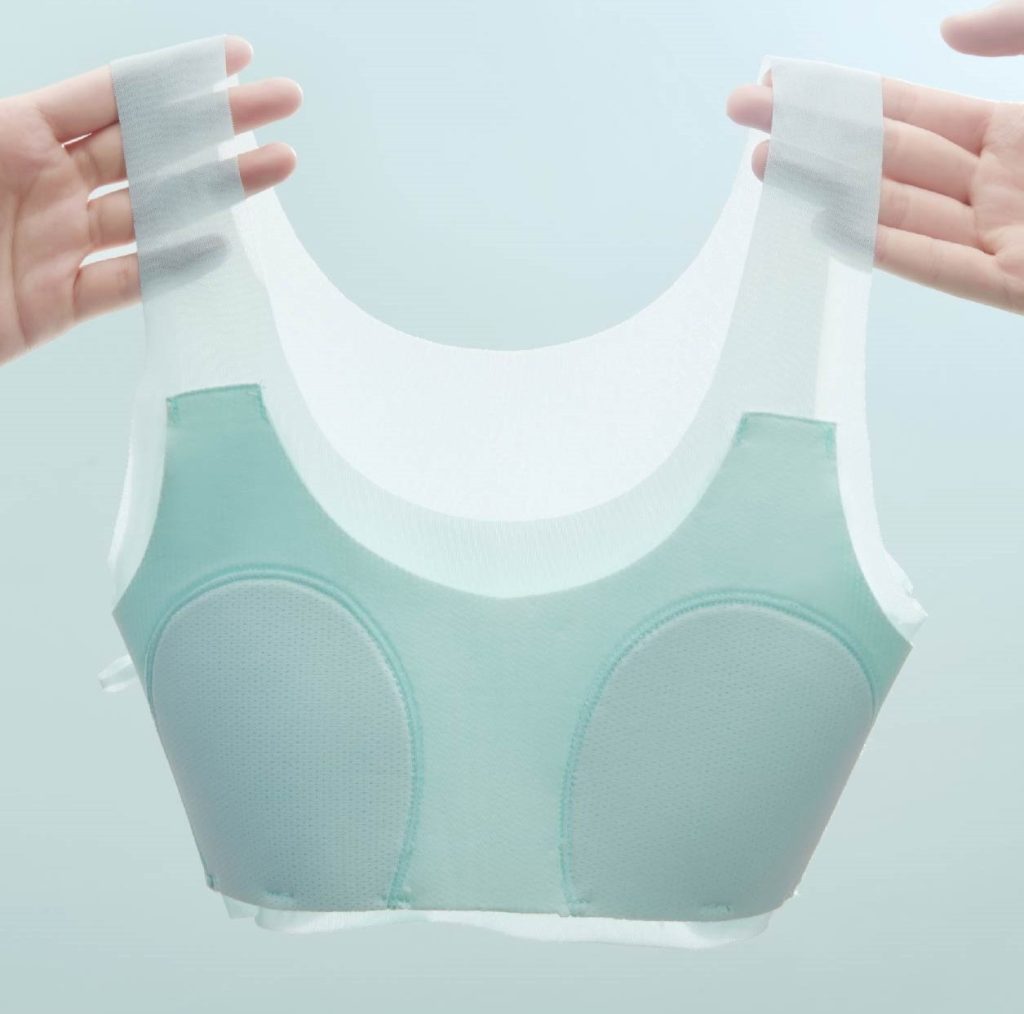
If she’s active, start with breathable bras made for movement.
Here’s a helpful read on fabric and fit: moisture-wicking sports bras for tweens.
And if you’re still in the “is this puberty or just sweat?” phase, this puberty overview can help you put the timing in context: first signs of puberty.
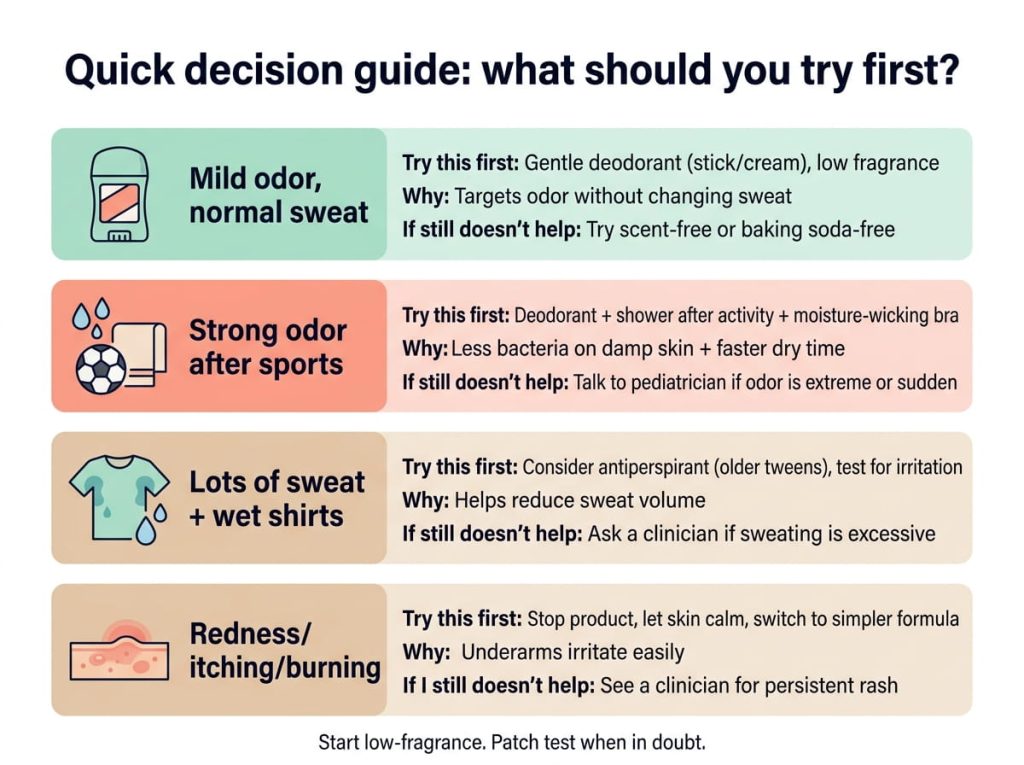
Quick decision guide: what should you try first?
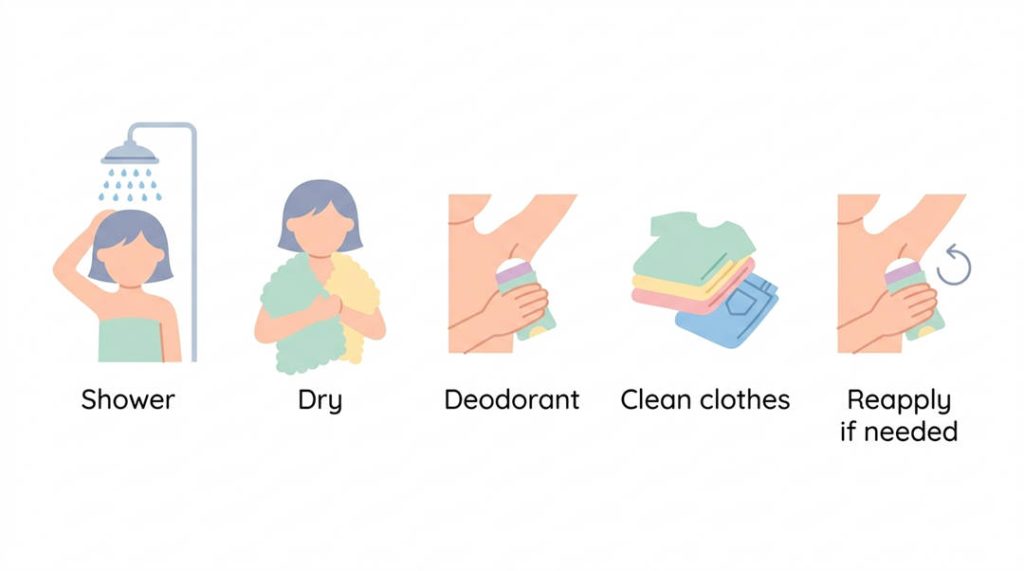
The “shower routine” checklist (keep it simple)
You don’t need a 12-step routine.
You need a routine she’ll actually do on a school morning.
Here’s a simple flow that works for lots of families:
-
Shower or quick rinse after sweaty days (sports, PE, hot weather).
-
Dry underarms fully before applying deodorant.
-
Apply a small amount (one swipe is plenty to start).
-
Clean shirt + breathable layers (especially bras and undershirts).
-
Reapply only if needed after sports.
Connecticut Children’s (Ask a Pediatrician) also shares the idea that there’s no set age to start, and many younger kids can begin with deodorant first (and skip aerosols).
FAQs
What age should my tween start deodorant?
There’s no magic age.
Most kids start when body odor starts.
KidsHealth says there’s no set age, and body odor often shows up around puberty.
Is deodorant safe for tweens?
For most kids, yes.
Both deodorants and antiperspirants are widely used and generally safe when used as directed.
If your child gets a rash, switch products or pause and talk with a clinician.
Should I avoid aluminum for my tween?
Some families avoid it and do fine.
Others use antiperspirant during sports seasons.
HealthyChildren.org explains antiperspirants typically contain aluminum and block sweat glands, while deodorants don’t stop sweat.
If your tween only has odor (not heavy sweating), deodorant alone is often enough.
My kid tried natural deodorant and it “didn’t work.” Is that normal?
It can be.
Sometimes it’s the formula.
Sometimes it’s the routine.
Sometimes it’s damp fabric sitting on skin for hours.
Try switching to a baking soda-free option, applying to clean dry skin, and pairing it with breathable basics like a moisture-wicking bra.
What if deodorant causes burning or a rash?
Stop using it and let the skin calm down.
Then switch to a simpler, fragrance-free option.
If irritation keeps coming back, it’s worth checking in with your pediatrician or a dermatologist.