
Daughter refuses to wear bra – if that’s your house right now, you’re not failing.
If your daughter digs in her heels about bras, it can feel like you’re stuck between “she’s not ready” and “her body is changing.”
This is one of those parenting moments where comfort, privacy, and control all collide.
Let’s keep it calm, kind, and practical.
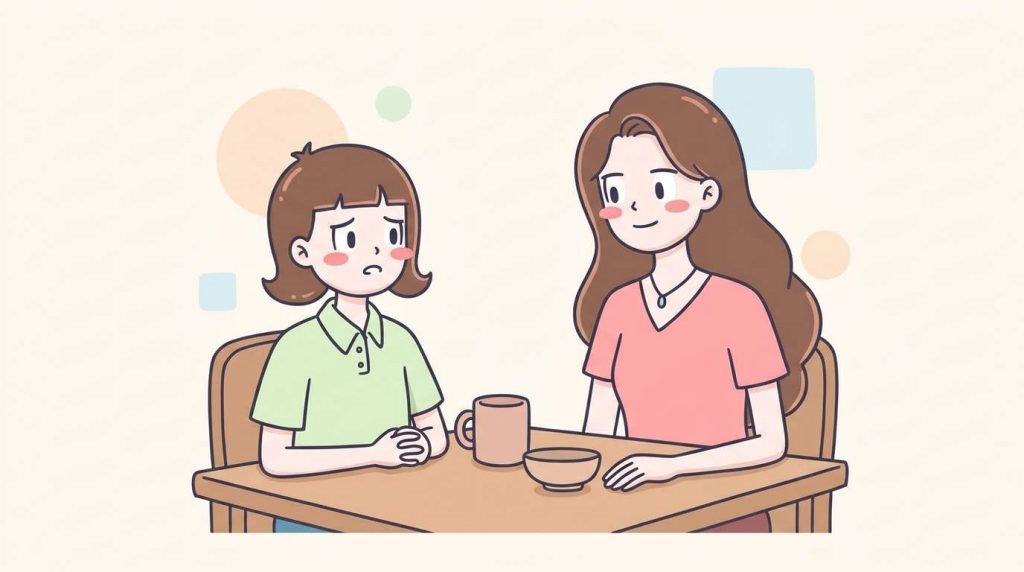
First, take a breath: resistance is often about feelings, not defiance
A first bra can bring up a lot at once: itchiness, heat, pressure, fear of standing out, fear of being noticed.
Sometimes it’s also sensory stuff, especially for kids who already struggle with seams, tags, or “tight” clothing.
If this sounds familiar, you might like our deeper read on sensory issues with clothing.
Here’s the part that helps many moms reframe it:
Medical teen health guidance is clear that bras don’t change breast growth.
For most girls, the point is comfort and support, not “should” or “shouldn’t.”
Respect her timeline and stay prepared: the comfort-first mindset
If you lead with “coverage,” many girls hear “I’m being judged.”
If you lead with “comfort,” many girls hear “I’m being cared for.”
A helpful way to phrase it:
“I’m not trying to change your body.
I just want your shirts to feel good on your skin, especially at school and during active days.”
The American Academy of Pediatrics notes that breast buds are often the first sign of puberty, and puberty timing varies widely.
That “wide range” is exactly why your daughter’s timeline can be valid and unpredictable.
When she physically needs support but emotionally rejects it
This is the tricky middle.
You may be seeing bouncing during play, tenderness, or chafing.
She may be thinking, “Nope. Not ready.”
Try this three-step approach:
-
Name what you see (no drama).
“Your chest looks like it might be getting sore when you run.” -
Offer a comfort reason (not a rule).
“Some layers can stop rubbing and feel better.” -
Offer two choices (she chooses).
Camisole or soft bra.
Sports bra for sports days only.
A study on girls’ clothing choice and body esteem found that having more choice can support body confidence (and forced clothing can backfire).
The “nipple chafing” argument (yep, it counts)
A lot of girls who say “I don’t need a bra” are really saying:
“I don’t want anything tight.”
So start with the most non-threatening comfort issue:
Chafing can happen with certain fabrics, backpack straps, or seatbelts.
A soft layer can reduce friction without feeling like “a bra” in her head.
The Camisole Compromise (your low-pressure win)
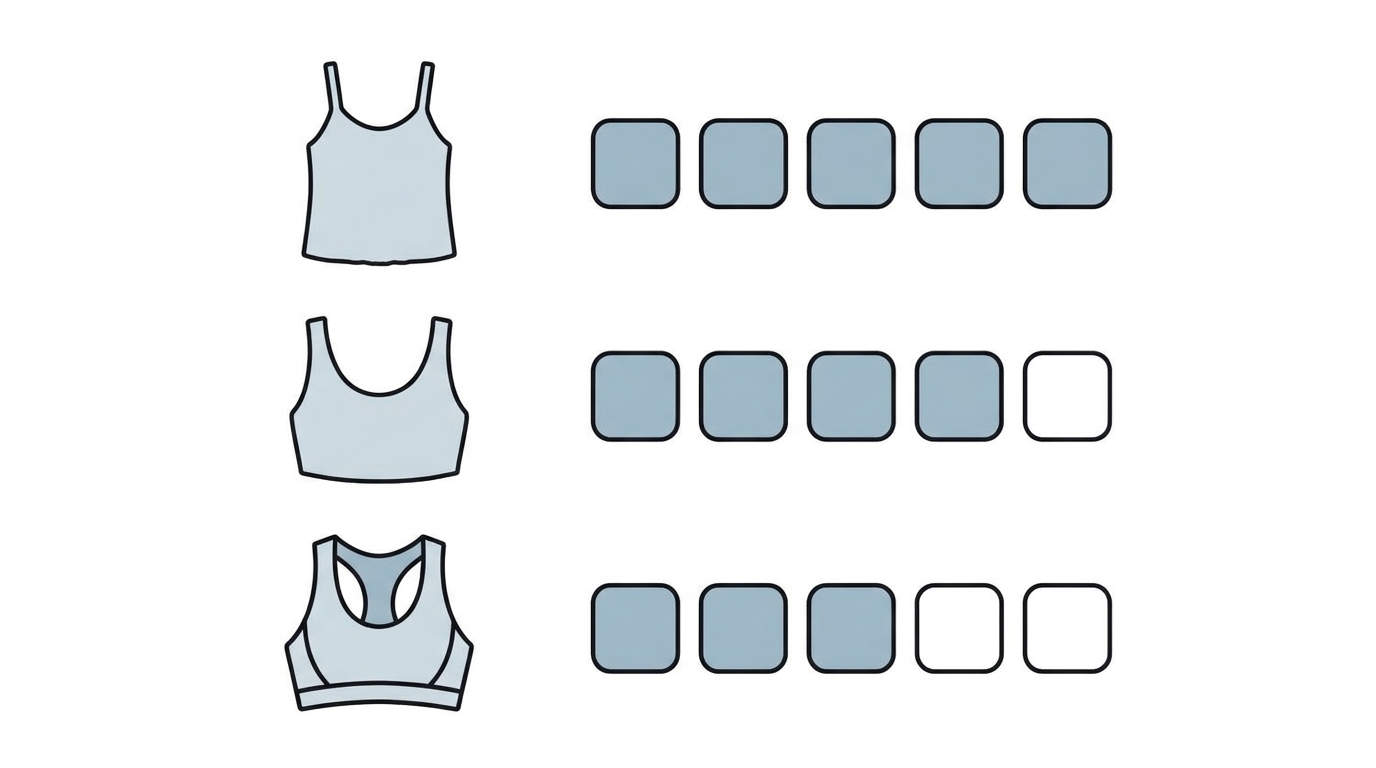
Camisoles are often the best bridge for Stage 1.
They feel like clothing, not a “big puberty statement.”
Ideas that usually land well:
-
A snug (not tight) modal camisole under school shirts
-
A shelf-cami that adds a bit of structure without wires or hooks
-
A tank + looser tee combo for “no bra” days
Give her control: let her pick color, style, and when to wear it
This is where many power struggles dissolve.
Instead of “You have to wear this,” try:
“Let’s find something you’d actually tolerate.
You pick the color.
You pick the fabric.
You pick the days.”
If you want a kid-friendly explanation of what’s happening in her body right now, this may help set the context without making it weird:
“Why Are My Boobs Getting Bigger?”
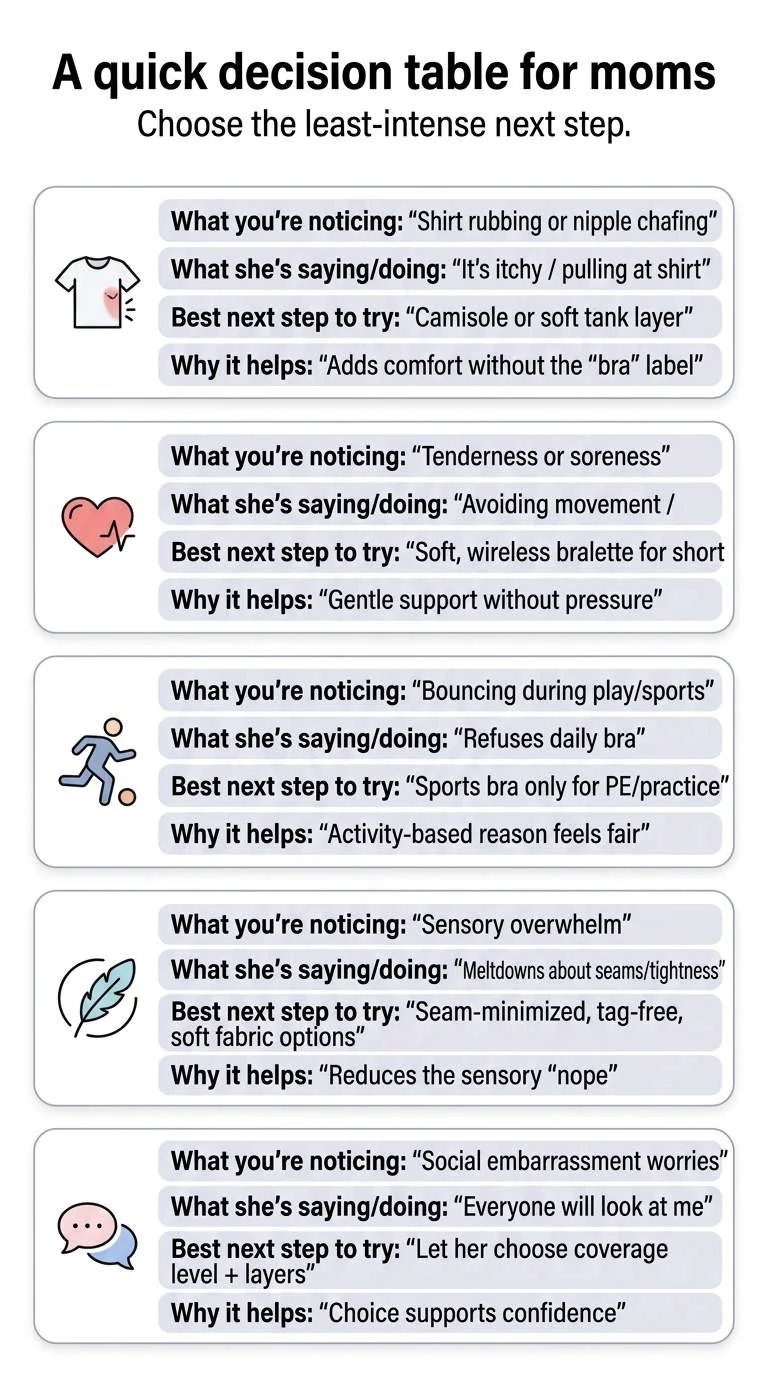
A quick decision table for moms
Use this to choose the least-intense next step.
What to say (and what not to say)
The goal is to protect her dignity.
That’s what keeps communication open.
Try saying:
-
“You’re the boss of your body.”
-
“Let’s solve the comfort part together.”
-
“We can keep a few options in your drawer for when you want them.”
Skip saying:
-
“You’re developing, so you need to cover up.”
-
“People will stare.”
-
“It’s inappropriate.”
A gentle next step: keep options ready, not forced
If you want to be prepared without making it a fight, build a tiny “comfort drawer.”
Two camisoles.
One soft bralette.
One sports bra.
That’s it.
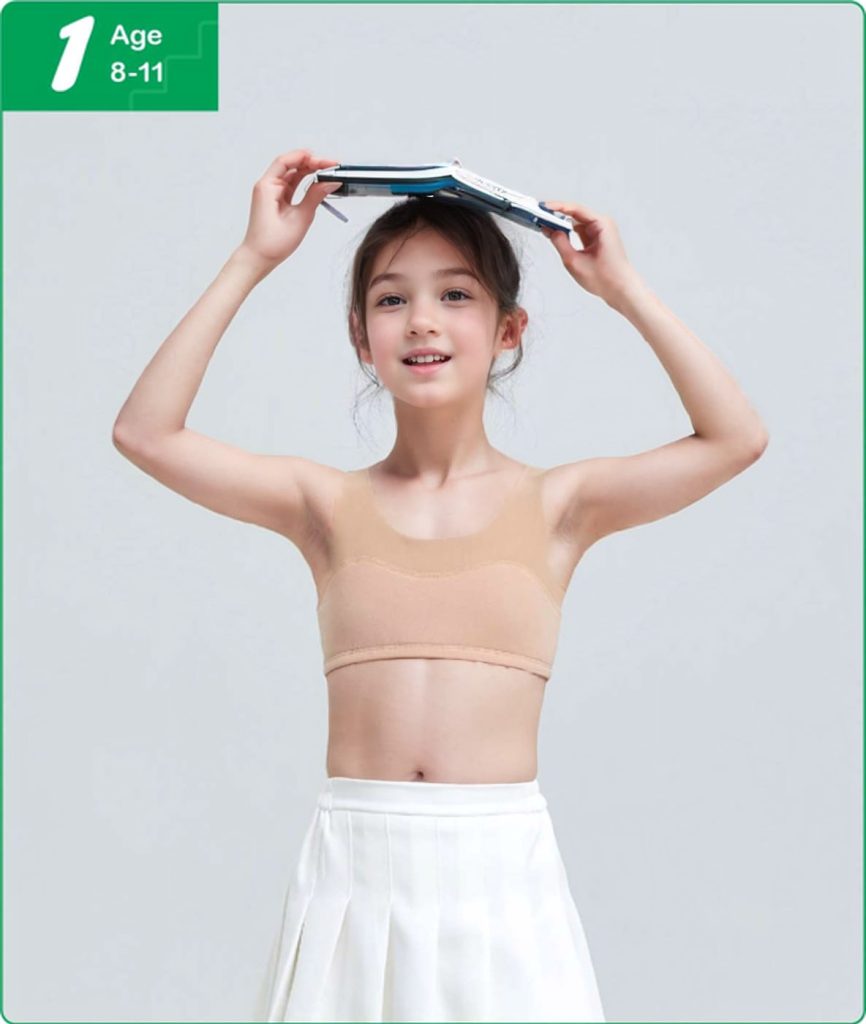
If your daughter is in early development and just needs a soft, non-intimidating option, take a look at Suyiyi’s stage-based first bras (designed for comfort and a gentle start): https://tweenbra.com/
FAQs
Is it bad if my daughter refuses to wear a bra?
Usually, no.
It’s often about comfort, sensory feelings, or wanting control over a changing body.
Bras don’t affect breast growth, and many teen health sources frame bras as optional unless they improve comfort.
KidsHealth has a clear overview of bra fit and comfort: https://kidshealth.org/en/teens/bra-sizes.html
How do I know if she actually needs support?
Look for comfort clues.
Chafing, soreness, bouncing that hurts, or her avoiding activity are common signs.
Puberty timing also varies a lot, and breast buds can start between ages 8–13.
What if school has a dress code and I’m worried about comments?
Start by checking the written policy calmly and keeping the focus on comfort and fairness.
Dress-code enforcement around girls’ bodies can get messy fast, and it’s worth staying shame-free at home.
What are the best bra alternatives for a tween?
Camisoles, shelf camis, soft bralettes, and sports bras for sports-only days are common “bridge” options.
If sensory discomfort is a big part of the resistance, start here: https://tweenbra.com/sensory-issues-with-clothing/
What if she’ll only wear it at home but not at school (or the other way around)?
That’s normal.
Different places feel different.
Let her choose “where and when” while you keep a few comfort options available.