
Does getting dressed feel like a battle every morning? For girls with sensory sensitivities, the feeling of fabric, tight bands, or rough seams can be overwhelming. It’s not just “being picky” – it’s their body reacting to too much input.
Why Dressing Feels Hard (and Quick Fixes)
Sensory triggers can hide in plain sight. Here are the most common culprits that might be causing tears, along with quick ways to fix them.
- Scratchy Tags: These can feel like sharp plastic. Fix: Cut them out completely or buy tag-free brands.
- Tight Cuffs & Waistbands: Elastic digging in hurts gentle skin. Fix: Stretch them out manually or choose fabric-covered bands.
- Rough Seams: Inside stitching can itch. Fix: Turn socks or shirts inside out, or look for “seamless” options.
- Cold Fabric: A shock to the system. Fix: Warm clothes in the dryer for 2 minutes before dressing.
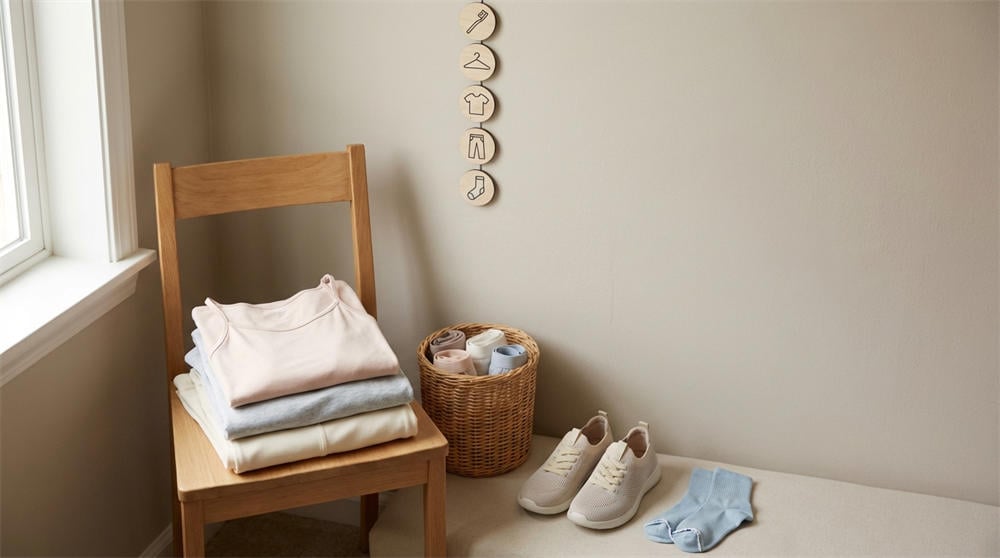
Warm Up the Body Before Dressing
Preparing the body for touch can make a huge difference. Try this quick 2-3 minute “sensory warm-up” to calm the nervous system before clothes go on.
The “Ready Body” Routine
Safety Note: Always stop immediately if your child resists or says no. Keep the room dim and quiet. |
Use a Simple Dressing Plan
Predictability is soothing. Follow the exact same order every single day so it becomes muscle memory. Use a picture chart if helpful.
- Underwear First
Start with the basics. Check for twists. - Shirt / Top
Head through the hole, then arms. Prompt: “Tag in back.” - Pants / Bottoms
Sit down to put feet in. Stand up to pull up. - Socks & Shoes
The final touch. Smooth out the toe line.
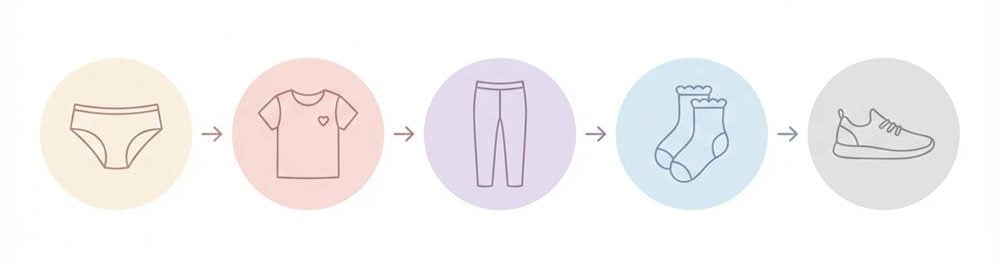
Coaching Tip: Use the “Show-Then-Do” method. You do it on yourself (or a doll) first, then guide her hands. Celebrate tiny goals like just getting one arm in!
Give Gentle Choices (Control Calms)
When a child feels controlled, anxiety goes up. Giving simple, limited choices puts them back in the driver’s seat.
- This or That: “Do you want the blue soft shirt or the pink one?” (Limit to 2 options).
- Sit or Stand: “Do you want to sit on the floor or the chair to put on socks?”
- Mirror Check: “Do you want to use the mirror to check your buttons, or not today?”
- The Safe Outfit: Create one designated “Safe Outfit” that is always allowed on hard days—no questions asked.
Fix Common Trouble Spots
Some items are trickier than others. Here is a cheat sheet for the most common complaints.
|
Trouble Spot
|
Sensory Solution
|
|---|---|
|
Socks
|
Buy “seamless” sensory socks or turn regular socks inside out so the seam doesn’t touch toes.
|
|
Necklines
|
Stretch the collar gently before wearing. Choose V-necks or tag-free wide collars.
|
|
Waistbands
|
Avoid buttons/zippers. Look for soft, fabric-covered elastic bands (yoga style).
|
|
Shoes
|
Use elastic no-tie laces. Look for shoes with soft, unstructured uppers (like knit fabric).
|
Practice Small, Win Big
Don’t try to fix everything at once. Use the concept of the “Just-Right Challenge” – something that is slightly hard but achievable.
- Start easy. Maybe this week, she just pulls up her pants after you start them.
- Add a tiny challenge only when she is ready. “Can you find the arm hole?”
- Rest days are okay. If she’s tired, offer more help.
- Build the habit. Try to dress at the same time in the same quiet spot daily.
Help Skills Travel (Home to School)
Dressing for school involves more variables (changing for gym, coats). Help her transfer her skills.
- Practice Swaps: Role-play changing shoes quickly at home before school starts.
- Soft Layers: Dress her in layers that are easy to take on/off (like a zip hoodie) so she can regulate her temperature.
- Trial Runs: Wear new school clothes for 30 minutes at home to “break them in” before a full day.
- Backup Plan: Pack an extra pair of “safe socks” in her backpack just in case.
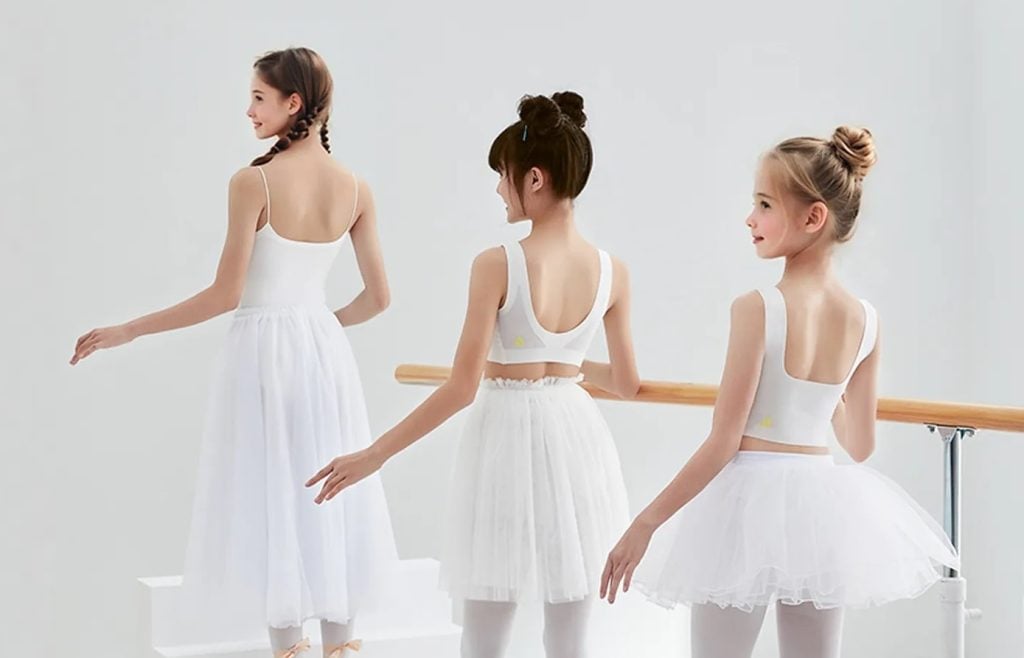
Suyiyi Support: Soft, Stage-Wise Comfort
Comfort for Every StageAt Suyiyi, we understand that the first layer matters most. Our bras and camisoles are designed with sensory needs in mind—super soft fabrics, tag-free labels, and gentle bands that never dig in.
|