
The Science Behind Sensory-Friendly Fabric Technology and Why It Matters starts with understanding the daily battles many families face. You know the routine: the morning rush is in full swing, but your child is frozen in the hallway, tugging at a collar or refusing to put on a shirt because it “hurts.” For many moms, this isn’t just stubbornness – it’s a genuine sensory response to irritation. Understanding the mechanics of fabric interaction with skin can turn these stressful mornings into peaceful ones.
Did You Know?Research indicates that atopic dermatitis affects up to 20% of children, making skin sensitivity a major concern for millions of families. Choosing the right base layer isn’t just about style; it is a health necessity.
|
What Actually Makes a Fabric “Sensory-Friendly”?
It is not just a marketing buzzword. True sensory-friendly design comes down to physics and chemistry. At the microscopic level, standard fabrics can be full of rough fibers, protruding yarns, and chemical residues that trigger the nervous system. For a child with heightened tactile sensitivity, a regular cotton t-shirt can feel like sandpaper.
The goal is to reduce “mechanical friction” – the drag and rub of fabric against the skin. This involves three main pillars: fiber smoothness, moisture management, and construction technique.
The Fiber Factor: Why Softness is Science
Not all soft fabrics are created equal. While cotton is a classic, short-staple cotton can pill and become rough over time. Advanced sensory-friendly options often feature TENCEL fibers and LYCRA for a gentle stretch that moves with the body.
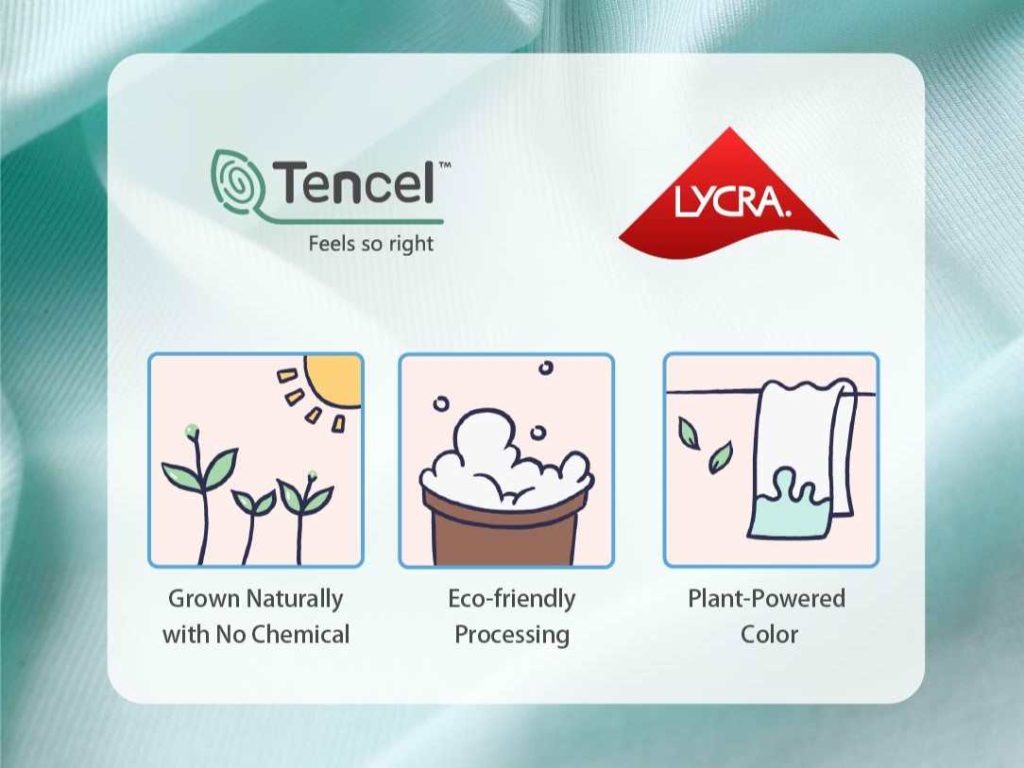
Product listings for brands like Suyiyi highlight fibers that are “grown naturally” and use “eco-friendly processing” with “plant-powered color” to ensure the fabric remains soft and safe for delicate skin.
According to textile industry comparisons on fiber properties, Modal fibers have a smoother cross-section than cotton, meaning they have fewer microscopic “barbs” to catch on skin. This results in a silky hand-feel that stays cool.
|
Feature
|
Standard Cotton
|
Sensory-Friendly Modal/Blends
|
|---|---|---|
|
Surface Texture
|
Can be fuzzy; pills over time
|
Smooth, silky, pill-resistant
|
|
Moisture Control
|
Absorbs wetness (gets heavy)
|
High moisture absorption; can be engineered or blended with wicking fibers to dry faster
|
|
Heat Retention
|
Traps heat when wet
|
Cool-to-the-touch breathability
|
Construction Counts: Seams, Labels, and “The Itch”
Even the softest fabric fails if the sewing is wrong. Traditional “overlock” seams leave a bulky ridge of thread that digs into the skin. Sensory-friendly garments use “flatlock” stitching, where the fabric edges butt against each other flatly, creating a seam that is virtually undetectable.
Then there is the nemesis of every sensitive child: the tag. A study on tactile hyper-sensitivity in autistic individuals highlights how labels and seams are top triggers for distress. Brands like Suyiyi tackle this by designing completely tag-free garments, eliminating the physical tag entirely to prevent irritation.
Mom Tip: If your child is constantly adjusting their clothes, check the seams and tags first. What looks minor to us can feel unbearable to them.
Keeping Cool: The Role of Moisture-Wicking
Overheating is another major trigger for sensory meltdowns. When fabric traps sweat, it becomes sticky and heavy, increasing friction. This is especially true for active kids at recess or sports practice. Moisture-wicking technology works by using capillary action to pull sweat from the skin to the outer surface of the fabric, where it evaporates quickly.
This process, known as thermoregulation, helps keep body temperature stable. For children who cannot easily articulate that they are too hot, breathable fabrics prevent the “overwhelmed” feeling before it starts.
The Invisible Irritants: Safe Dyes and Conscious Choices
Sensory issues often overlap with chemical sensitivities. Residues from dyes, formaldehyde, and pesticides can cause itching or rashes even on healthy skin. Many parents now look for third-party testing or clear chemical policies to ensure safety, checking that every thread and button is free from harmful substances.
Think of it as a purity seal. Choosing fabrics known for being free from allergy-inducing dyes and pH-balanced for skin health is crucial. For moms of tweens dealing with irritating skin issues, checking for these safety standards is a quick way to ensure peace of mind.
Comfort Through the Ages
Sensory needs change as our kids grow. Here is a quick timeline of what to prioritize at each stage:
Ages 8–11: The Foundation Phase. Focus on softness and simplicity. Kids this age need distraction-free clothing for school focus. Seamless socks and tag-free underwear are game changers.
Ages 12–15: The Puberty Shift. Hormonal changes bring sweat and body odor. Prioritize moisture-wicking properties and breathable knits to manage heat and hygiene without embarrassment.
Ages 16–18: Style Meets Comfort. Teens want to look cool but still need comfort. Look for “stealth” sensory clothing—fashionable cuts made from high-tech, soft modal blends.
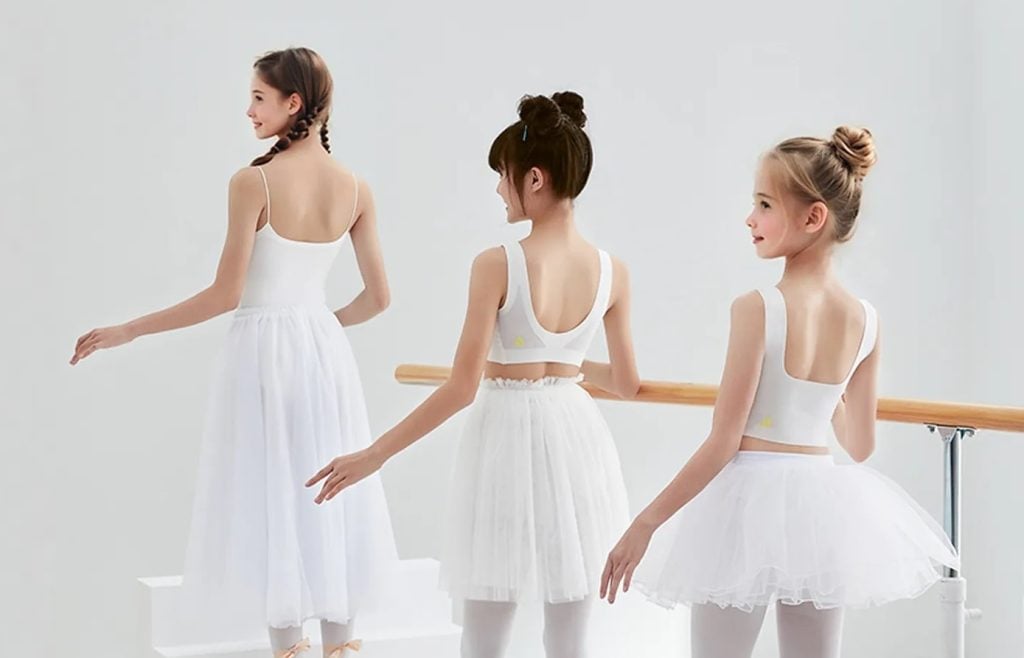
Choosing the right fabric is about more than just shopping; it is about advocacy for your child’s comfort. By understanding the fibers, construction, and chemistry, you can build a wardrobe that supports their well-being every single day. The Science Behind Sensory-Friendly Fabric Technology and Why It Matters.
Frequently Asked Questions
Why does my child say clothes feel “too much”?
This is often due to tactile defensiveness, where the brain interprets light touch (like a tag) as pain or danger. It is real, not imagined. Look for seamless, compression-style, or ultra-soft fabrics to reduce this “noise.”
How can I spot sensory-friendly design in a store?
Do the “cheek test”—rub the fabric against your face, not just your hand. Check the inside for raised seams and look for printed labels instead of sewn-in tags. Stretchy knits are usually safer than rigid wovens.
Do flat seams and tag-free labels really help?
Yes, absolutely. They eliminate the primary sources of mechanical friction. For kids with eczema or sensory processing issues, removing these localized pressure points can drastically reduce daily irritation.
Do moisture-wicking knits help at recess and sports?
They are essential. Cotton absorbs sweat and stays wet, which can cause chafing and chilling. Wicking fabrics keep the skin drier, which many kids find more comfortable during activity.
What should I look for regarding chemical safety?
Look for brands that prioritize safe dyes and chemical-free processing. Fabrics that are “grown naturally” or tested for harmful substances are safer bets, ensuring the material won’t trigger chemical sensitivities or contact dermatitis.
When should I see a pediatrician or dermatologist?
If your child has persistent red marks, rashes that won’t heal, or if clothing struggles are causing severe anxiety or daily meltdowns, it is time to get a professional opinion to rule out allergies or other conditions.