
If you’re dealing with acne from sports bra straps, you’re not alone.
Sweat + friction can leave a neat little line of bumps right where your strap sits.
This guide gives you simple fixes – wash habits, fit tweaks, breathable fabric, and gentle cleansing – so you can keep working out with more comfort and confidence.

Why sweat + friction can trigger strap-line breakouts
When your straps rub the same skin over and over, your skin barrier gets irritated.
Add heat and sweat, and pores can clog more easily.
Dermatologists even have a name for gear-related breakouts like this: acne mechanica.
Acne or folliculitis? The strap-line clue
Sometimes those bumps aren’t classic acne.
They can be folliculitis, which is inflammation (and sometimes infection) around hair follicles.
Mayo Clinic notes folliculitis can look like small pimples around hair follicles and can flare with friction and clothing that traps heat and sweat.
If your bumps are itchy, tender, or look like tiny pus-filled spots in a line, folliculitis is worth keeping in mind.
The #1 habit: don’t re-wear a sweaty sports bra
This is the boring tip that works.
A damp bra keeps sweat, oil, and bacteria pressed against your skin for hours.
If you work out often, that can turn into a repeated “strap rub + warm moisture” cycle.
A simple rule for busy weeks:
-
Workout once = wear once = wash once.
If laundry is behind, it’s better to grab a clean backup sports bra than to re-wear yesterday’s.
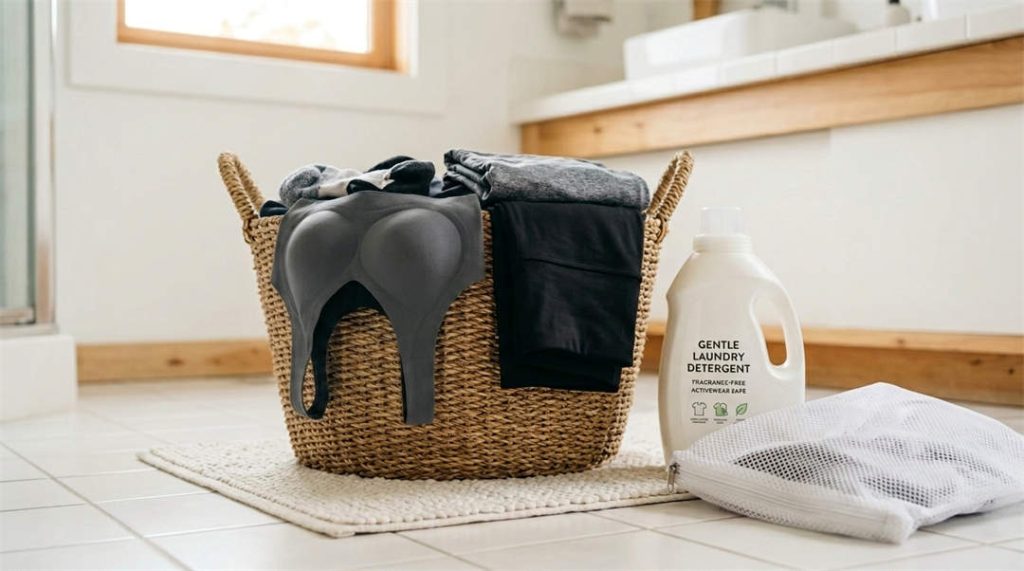
Bra care that keeps straps cleaner (and lasts longer)
If you want the full step-by-step, use our guide: bra care tips for making your bras last.
The fit check that can lower friction
Your sports bra should feel supportive, not like it’s digging.
If your straps leave deep marks, slide around, or pull your shoulders forward, friction goes up.
Two quick moves that often help:
-
Loosen your straps a notch so the band does more of the work.
-
Try a different back style (like a racerback) if straps keep sawing at the same spot.
If you’re unsure where to start, our Suyiyi bra size guide makes it easier to pick a fit that supports without rubbing.
Breathable fabric matters more than most people think
When fabric holds sweat against your skin, breakouts get easier to trigger.
That’s why breathability is a skin issue, not just a comfort issue.
Here’s the deeper read: why breathability matters in tween and teen training bras.
Suyiyi Stage-3 picks for sweaty, active days
Stage-3 is all about all-day comfort with real support for mature development.
If you’re getting strap irritation, it can help to choose designs built for airflow and movement.

You can also browse the full collection here: High School Bras for Young Women (Ages 16–18).
A gentle body-wash routine that works for real life
Your goal is to remove sweat and oil without scrubbing your skin raw.
The AAD notes that treating acne mechanica with acne medication can help, and that salicylic acid is often useful because it helps unclog pores.
A routine you can try for 2–4 weeks:
-
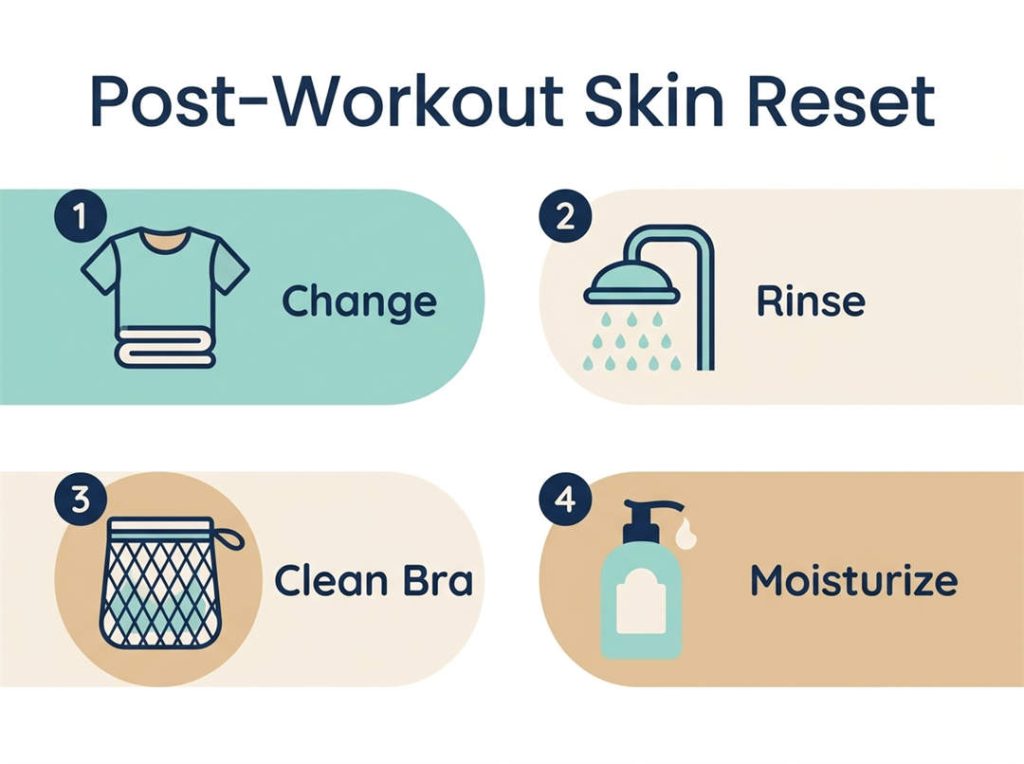
Shower soon after practice (even a quick rinse is better than staying in sweaty clothes).
-
Use a gentle cleanser on the strap area (back, shoulders, upper chest).
-
Try a body wash with salicylic acid 2–3 times a week if your skin tolerates it.
If your skin is very sensitive, start slower.
If the area stings, gets very dry, or looks like a rash, pause and switch to a plain, fragrance-free cleanser.
Quick table: what to change first
|
What you’re seeing |
Most likely cause |
First change to try this week |
When to get help |
|---|---|---|---|
|
Small rough bumps right under the strap line |
Friction + sweat (acne mechanica pattern) |
Wash your sports bra after every workout + adjust straps |
Not improving after 6–8 weeks or painful deep bumps |
|
Itchy, tender bumps that look like tiny pimples in clusters |
Follicle irritation (sometimes folliculitis) |
Change out of sweaty bra ASAP + gentle cleanser |
Spreading redness, fever, or worsening pain |
|
Breakouts pop up only with one specific bra |
Fabric/fit issue |
Switch to a more breathable style or better fit |
Burning, swelling, blistering, or a true rash |
|
Bumps plus dark marks after they heal |
Post-inflammatory marks |
Don’t pick + protect skin from friction |
If scarring is forming or marks are getting worse |
Extra tips that make this easier to stick with
Make it feel doable, not like “one more rule.”
Try keeping a small post-practice kit in your bag: a clean tee, travel body wipes, and a backup bra.
If you’re on the go, changing out of the sweaty bra is the win.
FAQs
How long does acne from sports bra straps take to clear?
If you remove the trigger (re-wearing sweaty bras, frictiony fit) and keep your skin clean, you may see improvement in a few weeks.
The AAD notes acne mechanica often clears faster than regular acne, and if it isn’t better after 6 to 8 weeks, it’s smart to talk with a dermatologist.
Should you use benzoyl peroxide on strap-line bacne?
Some people do well with benzoyl peroxide, especially for body acne.
It can be drying and it can bleach towels and clothing, so start low and keep it away from colored bras.
If you have eczema, very sensitive skin, or a lot of irritation, check with a clinician first.
What if it’s not acne and it’s folliculitis?
Folliculitis can look similar, and it can get worse with friction and sweaty clothing.
Mayo Clinic notes folliculitis can be sore or itchy and sometimes needs prescription treatment if it’s widespread or not improving.
Do cotton sports bras prevent bacne better than synthetic?
It depends.
Some synthetics trap heat, and some are made to wick moisture away.
Focus on breathable, sweat-wicking fabric + a fit that doesn’t rub.
When should you ask to see a dermatologist?
Ask for help if your bumps are very painful, deep, spreading fast, leaving scars, or not improving after a solid 6–8 weeks of changes.
Also get help right away if there’s fever, rapidly spreading redness, or severe tenderness.