
One breast bigger than the other is one of the most common things moms notice during puberty, and almost nobody warns you about it first.
She comes out of the dressing room, t-shirt half on, and says it out loud: “One side is bigger.” You look. She’s right. Now you’re both standing there wondering if something went wrong.
Nothing went wrong. Uneven breast development is how puberty works for a lot of girls. It’s the rule, not a defect, and there’s a simple bra rule that makes it a non-issue by lunchtime.
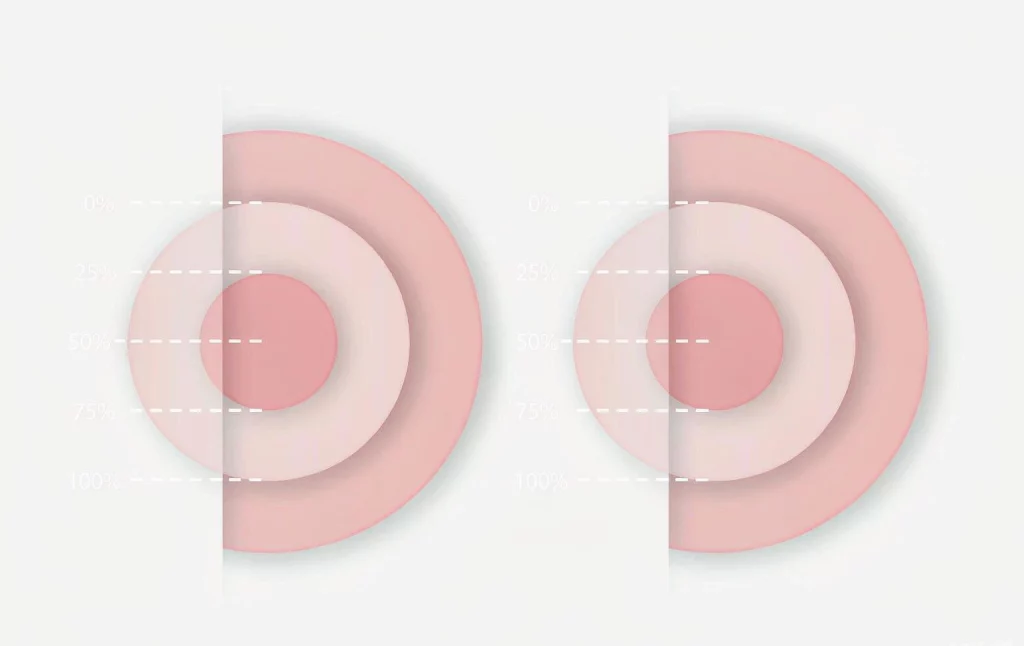
Why One Breast Is Bigger Than the Other in Puberty
Breasts don’t grow on a shared schedule. Each side has its own start button.
The first sign of puberty for most girls is a small, firm bump under the nipple called a breast bud. That bud often shows up on one side weeks or months before the other one does. One side gets a head start, so one side looks bigger.
The American Academy of Pediatrics says uneven breast growth is normal and that breast growth starting on one side first is not unusual. Soreness comes with it too. Both tend to settle as growth finishes.
A few things stack the odds:
- Timing. One breast is simply a little more sensitive to estrogen than the other, so it responds sooner.
- Genes. Breast size and shape run in families. If you had uneven breasts at her age, she may too.
- Her frame. Ribs, chest muscles, and the spine aren’t perfectly even on anybody. A curve in the spine can make one side look fuller.
- A benign lump. A fibroadenoma is a smooth, rubbery, non-cancer lump that can make one side look bigger. It’s the most common breast lump in teens.
If she’s asking bigger questions about why her body is changing at all, Why Are My Boobs Getting Bigger? walks through the whole growth story in plain language.
How Long Uneven Breast Development Lasts in a Tween
Breast buds usually show up somewhere between ages 8 and 13. In a study of more than 1,200 girls, the middle age for the first bud was 9.4 years.
From that first bud, breasts keep changing for about two to three years. Doctors track it in five steps, from stage 1 (nothing yet) to stage 5 (grown). Most of the catching up happens in the early and middle steps, right around her big growth spurt. You can read the medical breakdown of those five stages in this StatPearls overview of Tanner stages.
By the later stages, the breast is mostly built, so the small side has less chance to catch up. Boston Children’s Hospital puts persistent asymmetry at about one in four teens.
The Royal Children’s Hospital in Melbourne puts it plainly: if the sides are still different near the end of puberty, around 16, they’ll probably stay a little different. About one in four adult women have some difference, and there’s no medical reason to treat it.
So the honest answer is this: most girls even out a lot, and some don’t. Either way, she’s fine.
The Bra Rule When One Side Is Bigger: Fit the Larger Side
Here’s the part that actually changes her day.
Buy the bra that fits the bigger side. Bra shopping for the smaller side squeezes the bigger one, and that’s how you get a girl who refuses to wear a bra at all. Boston Children’s Hospital recommends exactly this in their family guide to breast asymmetry, then evening out the other side with a soft insert.
Padding does the rest. A bra cup with removable padding lets you add a little volume on the smaller side and take it out on laundry day.
- Removable pads. Best everyday fix for a half-cup to one-cup difference. Move one pad to the smaller side and leave it there.
- A second pad. Two pads on the smaller side handles a bigger gap without changing bra sizes.
- A soft insert. Silicone or foam inserts sit inside the cup and feel more like real tissue. Good for one to two cup sizes.
- Stretch-cup bras. Molded cups that hold shape can gape on the smaller side. Soft, stretchy cups hug both.
Skip anything with an underwire while she’s still growing. Wire digs into the bigger side and leaves marks on the smaller one.
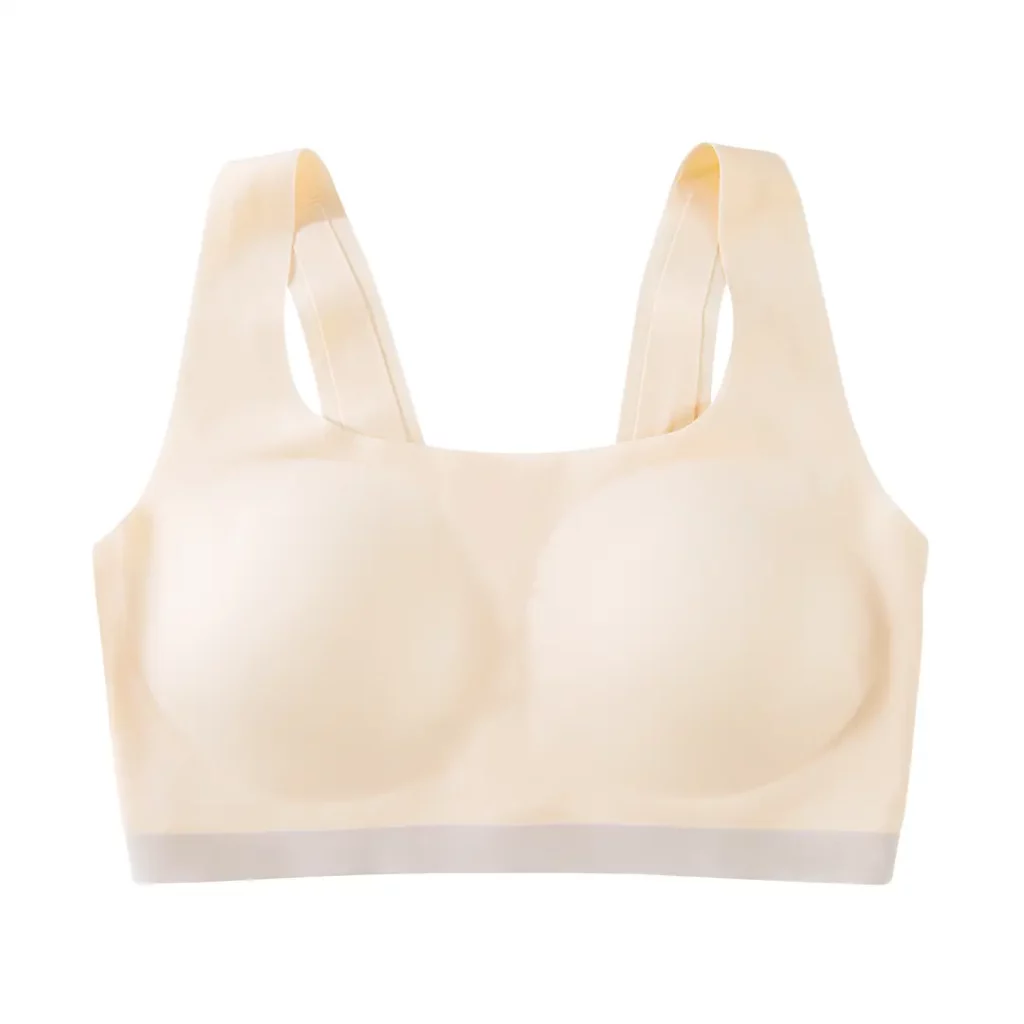
Our first bra fitting tips cover how to measure the band and cup at home, and our Stage 2 bras for ages 12–15 are cut with stretch cups and removable pads built in.
Re-check the fit every three or four months during a growth spurt. Her band size moves before her cup does, and a bra that fit in September can pinch by January.
What to Do Based on What You See
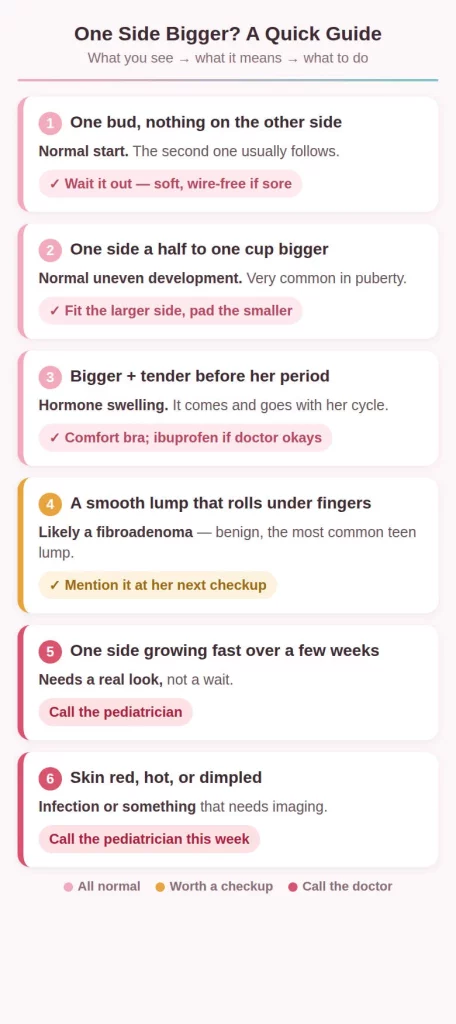
When Uneven Breasts Need a Doctor’s Look
Most uneven growth needs nothing but time and a decent bra. A few signs are worth a phone call.
Call if breast growth starts before age 8, or if there’s no breast growth at all by 13. Call for a lump bigger than about an inch, a lump that keeps growing past a month, or a hard lump that doesn’t move. Call for red or hot skin, fever, blood or pus from the nipple, or a dimple in the skin.
Breast cancer in teens is extremely rare, around two cases per million girls aged 15 to 19. That’s not a reason to panic, and it’s not a reason to skip a lump check either.
Get in the habit of knowing her normal. Our guide to breast self-awareness for tweens shows the five quick checks that take under a minute.
What Uneven Breasts Do to Her Confidence
This is the piece most articles skip, and it’s the piece that matters most.
A study of teens with breast asymmetry found they scored lower on self-esteem and emotional wellbeing than their peers, and the size of the difference didn’t matter. Even a mild difference landed hard.
She doesn’t need a lecture. She needs one calm sentence and a fix she can put on herself.
Try: “One side is just ahead of the other. Bodies do that. We’ll pad the bra and nobody will know.”
Then stop talking. Don’t check her chest every night. A normal body starts to feel like a problem when a parent keeps inspecting it.
Frequently Asked Questions
Will my tween’s breasts even out?
Most girls even out a lot by the end of puberty. About one in four women keep some difference, and that’s still healthy. Breasts usually finish growing two to three years after the first bud appears.
Which side is usually bigger?
The left one, most of the time. Measurements put the left breast as the larger side in about 62% of women. Nobody knows exactly why.
Is one breast bigger than the other a sign of breast cancer?
No. Uneven growth on its own doesn’t raise cancer risk. Cancer in teens is extremely rare. Get any new lump checked, but uneven size by itself isn’t a warning sign.
Can she do anything to make them even?
No cream, exercise, or massage changes breast size. Don’t rub or squeeze a breast bud, since that can drive bacteria in and cause an infection. Padding the smaller side of the bra is the safe fix.
What bra should she wear if one side is bigger?
A wire-free bra with stretch cups and removable pads, sized to the larger breast. Move a pad to the smaller side to even things out, and re-measure every few months while she’s growing.
Does uneven breast development affect breastfeeding later?
No. The difference sits in the fat layers, not the milk ducts. Uneven breasts work the same way when the time comes.